Third-Party Cyber Risk Under NIS2: Why Vendor Monitoring Must Be Continuous
In the modern digital ecosystem, an organization's security perimeter is only as strong as its weakest vendor. Modern enterprises rely on a sprawling web of cloud providers, SaaS platforms, and managed service providers to drive daily operations. Consequently, a security failure at a third-party partner is no longer an "external" issue; it is a direct threat to your organization’s operational integrity and regulatory standing.
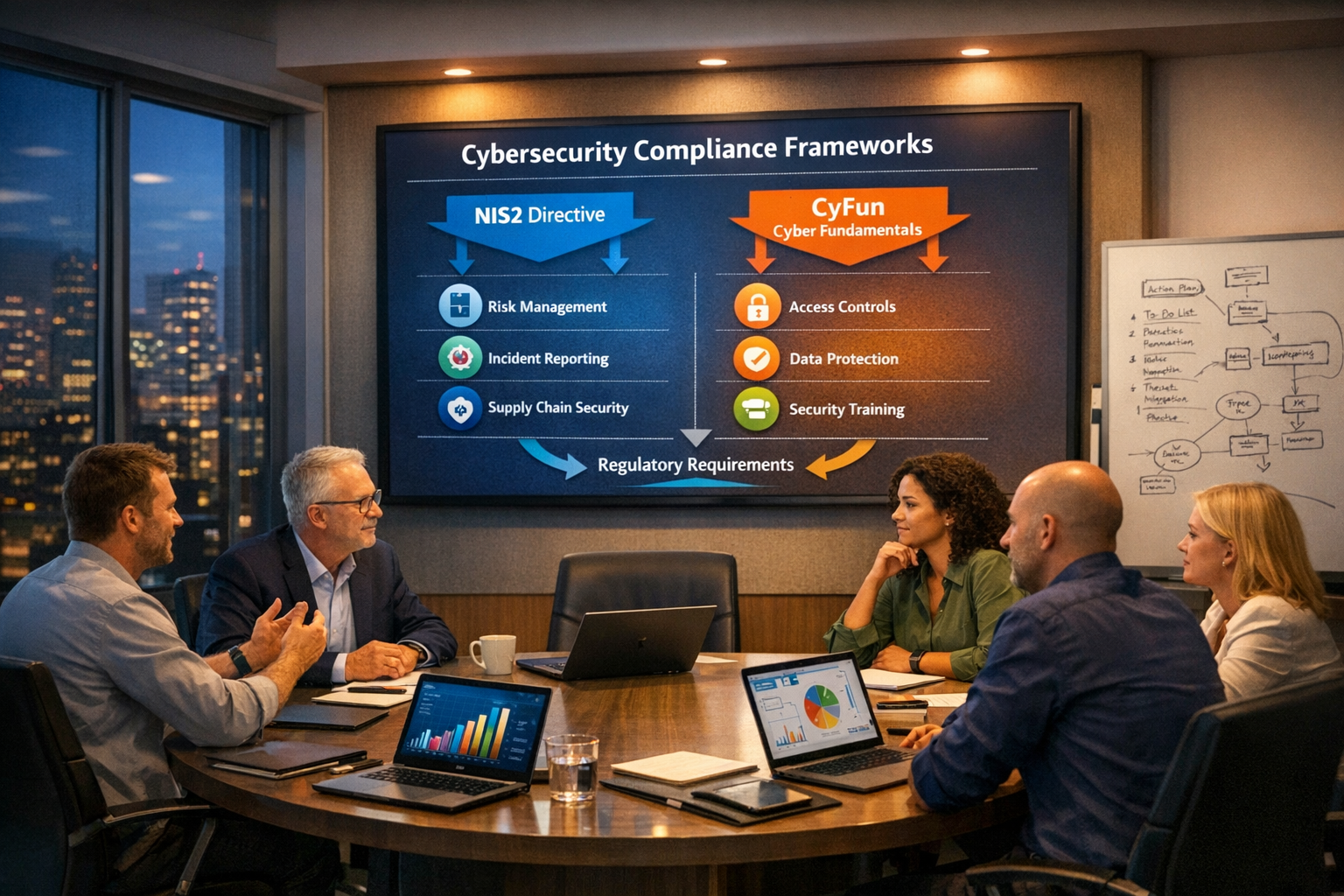
Recognizing this interconnected reality, the Network and Information Security Directive 2 (NIS2) has placed supply chain security at the forefront of European regulatory requirements. For organizations operating within the EU, vendor oversight has transitioned from a "best practice" to a strict legal mandate. To remain compliant, security leaders must move away from the "point-in-time" assessment model and toward continuous vendor monitoring.
The NIS2 Mandate: Expanding the Circle of Responsibility
NIS2 significantly raises the stakes for third-party risk management (TPRM). It requires organizations in critical sectors to implement risk management measures that specifically address vulnerabilities introduced through their supply chains. This means organizations are now legally responsible for:
- Assessing the cybersecurity practices of their direct suppliers.
- Monitoring ongoing supplier risks rather than relying on annual checks.
- Ensuring contractual accountability for security obligations across the entire vendor lifecycle.
In practical terms, regulators now expect organizations to demonstrate an active, documented understanding of their third-party risks. In an era where supply chain attacks are among the fastest-growing threats, "hoping" your vendors are secure is no longer an acceptable defense.
The Failure of Traditional Vendor Assessments
The traditional approach to vendor risk sending out 100-question Excel spreadsheets once a year is fundamentally broken. These static questionnaires provide a deceptive sense of security because they only capture a vendor’s posture at a single, isolated moment in time.
Cybersecurity risk is dynamic. A vendor might change their cloud architecture, onboard a risky subcontractor, or experience a silent breach just weeks after completing your annual assessment. Without continuous oversight, your organization is flying blind. Furthermore, manual processes create massive bottlenecks:
- Onboarding Delays: Long questionnaire cycles frustrate business units and slow down digital transformation.
- "Screenshot Chasing": Compliance teams spend hundreds of hours manually verifying vendor evidence instead of managing risk.
- Compliance Drift: Changes in a vendor's environment go unnoticed until the next audit cycle, creating dangerous gaps in your NIS2 posture.
The Solution: Continuous Oversight and Automation
Under NIS2, vendor risk must be treated as an ongoing operational responsibility. This requires a shift to a unified control library where vendor obligations are mapped directly to your internal security frameworks.
Effective continuous monitoring involves:
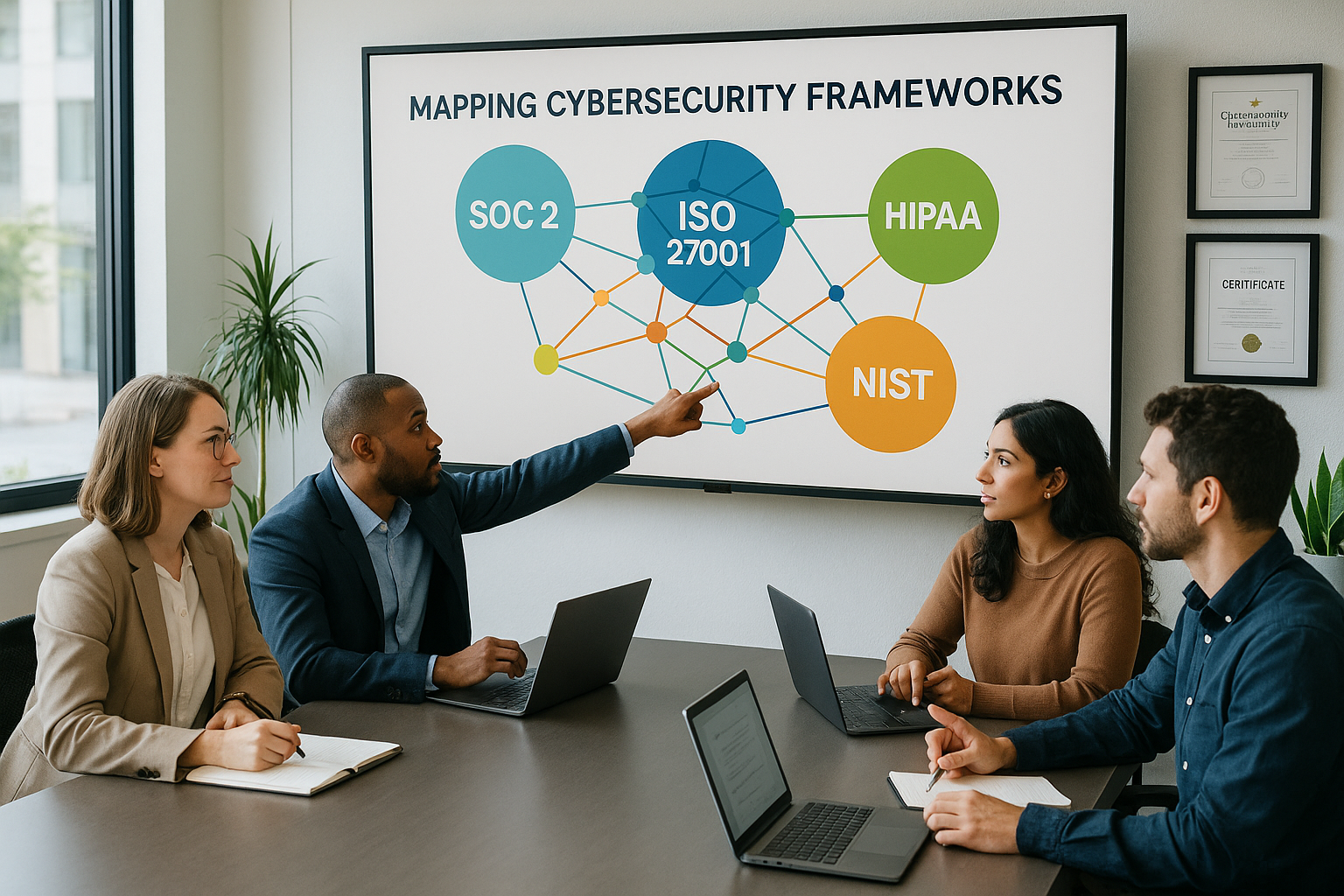
- Centralized Documentation: One single source of truth for all vendor contracts, certificates (like ISO 27001 or SOC 2), and audit reports.
- Real-Time Risk Indicators: Moving beyond "yes/no" answers to automated evidence that proves a vendor's controls are active.
- "Map Once, Comply Everywhere": Mapping a single vendor's security control to satisfy requirements across NIS2, GDPR, and ISO 27001 simultaneously.
Quantarra: Engineering Third-Party Resilience
Quantarra’s unified compliance platform is built to solve the complexity of NIS2 vendor management through automation. Instead of chasing spreadsheets, your team gains a live dashboard of your entire supply chain’s security posture.
- 70% Reduction in Prep Time: By automating evidence collection and centralizing vendor data, Quantarra reduces the administrative burden of vendor audits by up to 70%.
- 350+ Native Integrations: Pull live security data directly from your vendors’ environments to ensure continuous validation.
- Audit-Ready Trails: Maintain an immutable, timestamped record of every vendor review and approval, ensuring you are prepared for regulatory inspections at any time.
As vendor ecosystems grow, manual oversight is no longer sustainable. Quantarra provides the infrastructure to monitor third-party risk at scale, transforming vendor compliance from a bottleneck into a strategic advantage.
Stop chasing questionnaires. Start engineering vendor trust. Learn more at Quantarra.io