CyFun in Practice: Building a Continuous Cybersecurity Compliance Program for EU Organizations
Across Europe, cybersecurity regulation is evolving quickly. Frameworks such as the General Data Protection Regulation (GDPR), the NIS2 Directive, and the Digital Operational Resilience Act (DORA) require organizations to demonstrate strong cyber risk governance, operational resilience, and evidence of ongoing security controls.
The challenge for many organizations is operationalizing these requirements. Compliance is often managed through spreadsheets, email chains, and static documentation collected only before an audit. This approach creates visibility gaps and makes it difficult to prove that cybersecurity controls are operating continuously.
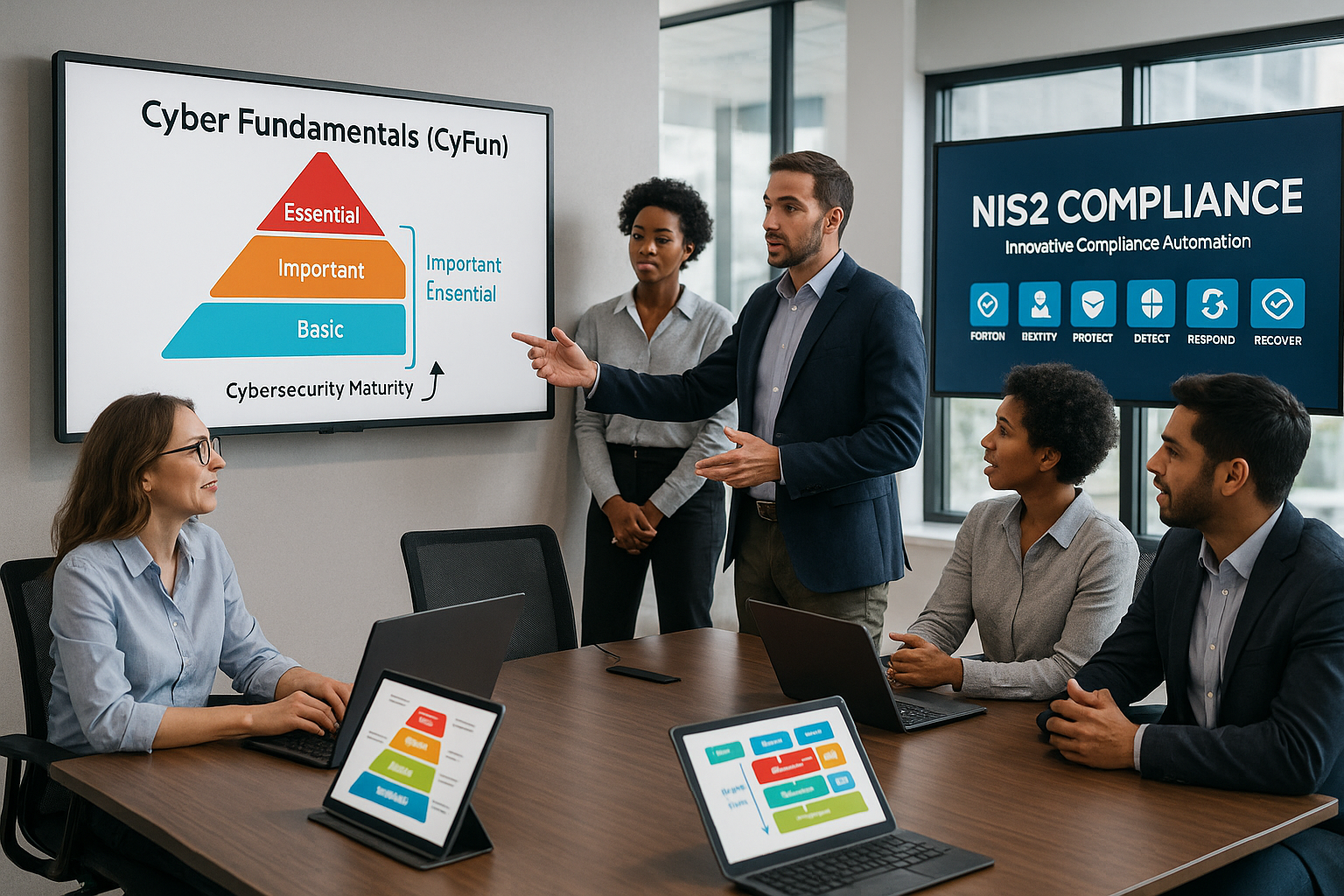
To address this challenge, many organizations are adopting structured cybersecurity frameworks such as CyFun (Cybersecurity and Risk Management Framework). CyFun focuses on building a control-driven cybersecurity program that aligns operational security practices with multiple regulatory obligations.
Why EU Regulations Demand Continuous Cybersecurity Compliance
European cybersecurity regulations increasingly emphasize ongoing risk management rather than periodic audits.
For example, the European Union Agency for Cybersecurity (ENISA) highlights that organizations must implement structured cybersecurity risk management processes and continuously monitor security measures to maintain resilience against cyber threats.
In practice, this means organizations must demonstrate that their security controls are consistently operating not simply documented once a year.
Traditional compliance models struggle with this requirement. Evidence becomes outdated between audits, responsibilities are unclear across teams, and leadership lacks real-time visibility into cybersecurity posture. As a result, organizations often scramble before audits or regulatory reviews to gather documentation that should already exist.
CyFun addresses this gap by structuring cybersecurity programs around repeatable controls, continuous monitoring, and cross-framework alignment.
How CyFun Structures Cybersecurity Compliance
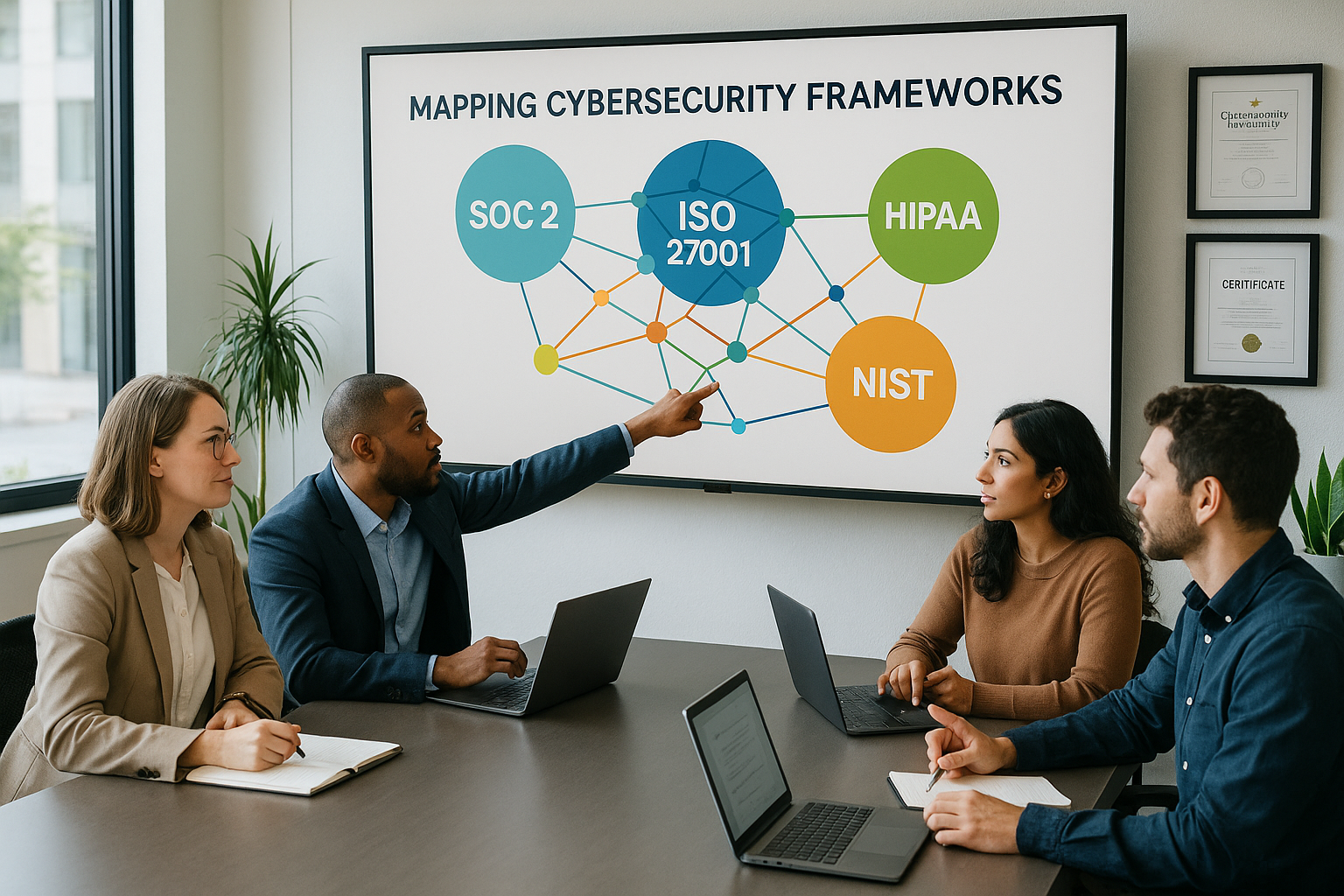
CyFun organizes cybersecurity programs into operational control domains rather than individual regulatory checklists. This approach allows organizations to design security controls once and map them across multiple frameworks.
Common CyFun control domains include:
- Identity and access management
- Incident response and breach management
- Asset and system security
- Vulnerability management
- Data protection and monitoring
These domains naturally align with requirements from major frameworks such as ISO/IEC 27001, SOC 2, GDPR, and NIS2.
For example, a properly implemented access management control can support regulatory obligations related to data protection, system security, and audit traceability across multiple frameworks simultaneously. This reduces duplication and improves operational consistency.
From Periodic Audits to Continuous Cybersecurity Governance
Moving from manual compliance processes to a continuous cybersecurity program typically involves several operational changes.
Organizations implementing CyFun often focus on:
- Defining control ownership so each security control has a responsible team
- Automating evidence collection from operational systems instead of gathering documents manually
- Mapping controls across frameworks to avoid duplicate compliance efforts
- Monitoring control performance through dashboards to detect gaps early
This approach transforms compliance from an administrative exercise into an operational governance function. Security teams gain better visibility into risk exposure, and leadership can track cybersecurity posture in real time rather than relying on periodic reports.
Why Platforms Are Required to Operationalize Continuous Compliance
While CyFun provides the structural framework, implementing continuous compliance manually is difficult at scale. Organizations must coordinate across IT, security, compliance, and operational teams while maintaining audit evidence for multiple frameworks.
Unified compliance platforms help operationalize this model by centralizing control management, automating evidence collection, and maintaining audit-ready documentation.
Instead of assembling evidence weeks before an audit, organizations maintain a continuously updated compliance posture supported by integrated operational systems.
How Quantarra Supports CyFun-Based Cybersecurity Compliance
Quantarra’s SaaS Business Compliance Platform helps organizations implement frameworks like CyFun through automation and unified compliance architecture.
With Quantarra, organizations can:
- Map cybersecurity controls across frameworks such as GDPR, SOC 2, ISO 27001, and NIS2
- Automate evidence collection through 300+ system integrations
- Maintain an immutable audit ledger for regulators and external auditors
- Monitor compliance and cybersecurity posture through a unified dashboard
This allows EU organizations to move beyond fragmented compliance processes and maintain continuous cybersecurity assurance.
Learn how Quantarra helps organizations implement scalable cybersecurity compliance programs: https://quantarra.io