What Changed in NIST Cybersecurity Framework 2.0? A Practical Guide for Businesses
The release of NIST Cybersecurity Framework (CSF) 2.0 marks the most significant update to the framework since its introduction in 2014. While the original framework was widely adopted by critical infrastructure organizations, version 2.0 expands its scope and introduces new governance requirements that apply to businesses of all sizes.
For organizations managing cybersecurity, compliance, and operational risk, understanding these changes is essential. The update reflects a growing reality: cybersecurity is no longer just a technical issue. It is a business risk that requires leadership oversight, continuous monitoring, and stronger accountability.
Organizations looking to operationalize these requirements at scale can explore modern compliance approaches at quantarra.
Why NIST CSF 2.0 Was Updated
Cyber threats have evolved significantly over the past decade. Organizations now face ransomware attacks, supply chain compromises, cloud security challenges, and increasing regulatory pressure.
NIST updated the framework to help businesses better align cybersecurity with enterprise risk management. The goal is not simply to improve technical controls but to help organizations make cybersecurity part of broader business decision making.
Unlike the previous version, NIST CSF 2.0 is intended for organizations across all industries, regardless of size or sector.
The Biggest Change: The New Govern Function
The most important addition to NIST CSF 2.0 is the new Govern function.
Previously, the framework was organized around five core functions:
- Identify
- Protect
- Detect
- Respond
- Recover
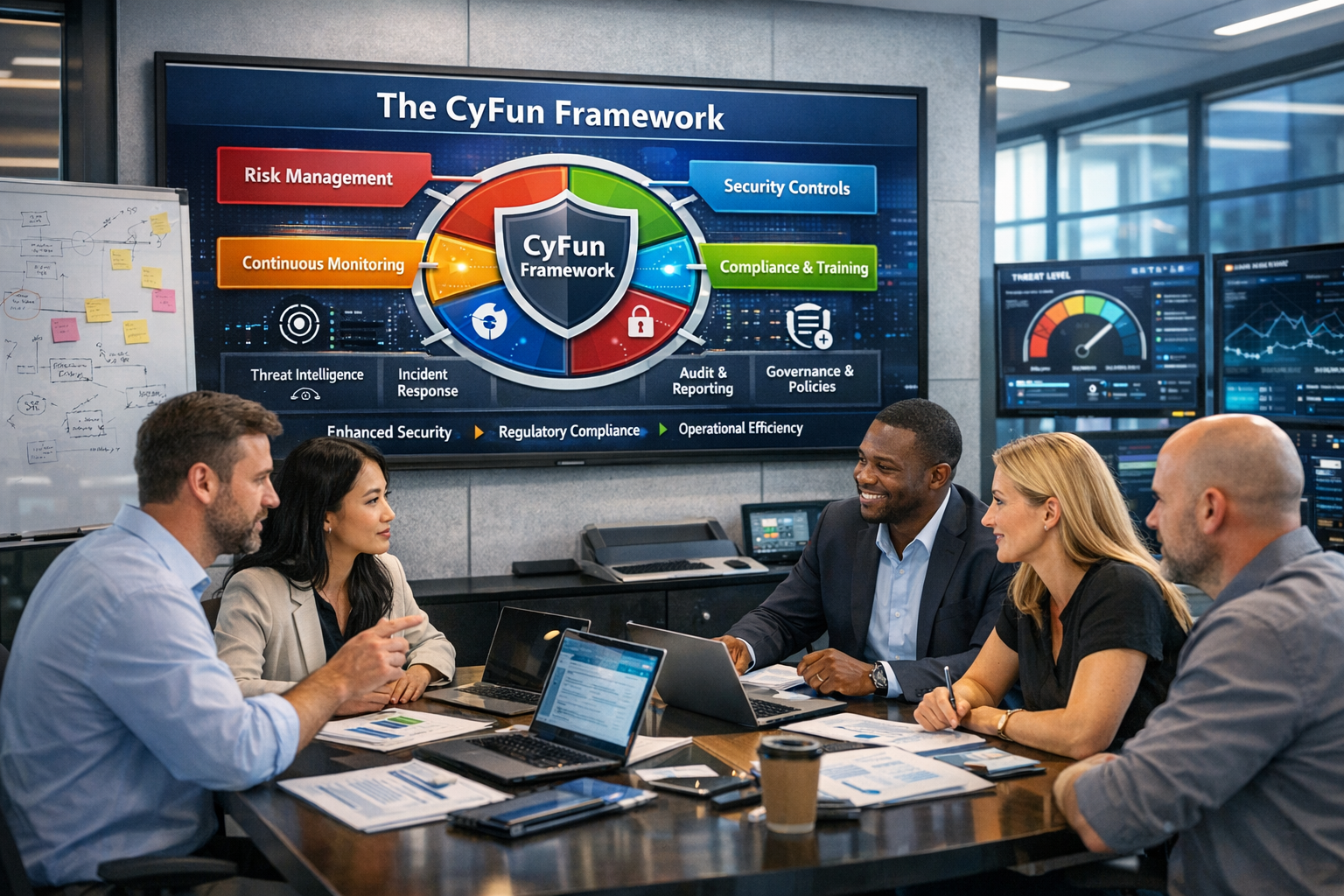
Version 2.0 introduces Govern as a sixth function that sits above the others.
The Govern function focuses on leadership accountability, risk management strategy, cybersecurity policies, oversight responsibilities, and organizational decision making. This change reflects the growing expectation that cybersecurity should be managed as a business risk rather than solely an IT responsibility.
For executives, boards, and CISOs, this is one of the most important shifts in the framework.
Greater Focus on Enterprise Risk Management
NIST CSF 2.0 places stronger emphasis on integrating cybersecurity into enterprise risk programs.
Organizations are encouraged to connect security risks with business objectives, financial exposure, operational resilience, and stakeholder expectations.
Rather than evaluating cybersecurity in isolation, leadership teams should understand how security incidents could impact revenue, customer trust, regulatory compliance, and business continuity.
This approach aligns closely with evolving regulations such as NIS2, DORA, and industry specific governance requirements.
Supply Chain Security Receives More Attention
Third party risk continues to be a major source of cybersecurity incidents.
NIST CSF 2.0 expands guidance around supplier and vendor risk management. Organizations are encouraged to assess external dependencies, understand supplier security practices, and continuously monitor third party risks.
As businesses rely more heavily on cloud providers, SaaS platforms, and external partners, supply chain oversight has become a critical part of cybersecurity governance.
A Stronger Emphasis on Continuous Improvement
Another important theme in CSF 2.0 is continuous evaluation.
Instead of treating cybersecurity as a periodic assessment exercise, organizations are encouraged to build ongoing monitoring capabilities. This allows security teams to identify control failures, emerging threats, and compliance gaps before they become larger issues.
Businesses that adopt continuous monitoring often gain better visibility into both security posture and regulatory readiness.
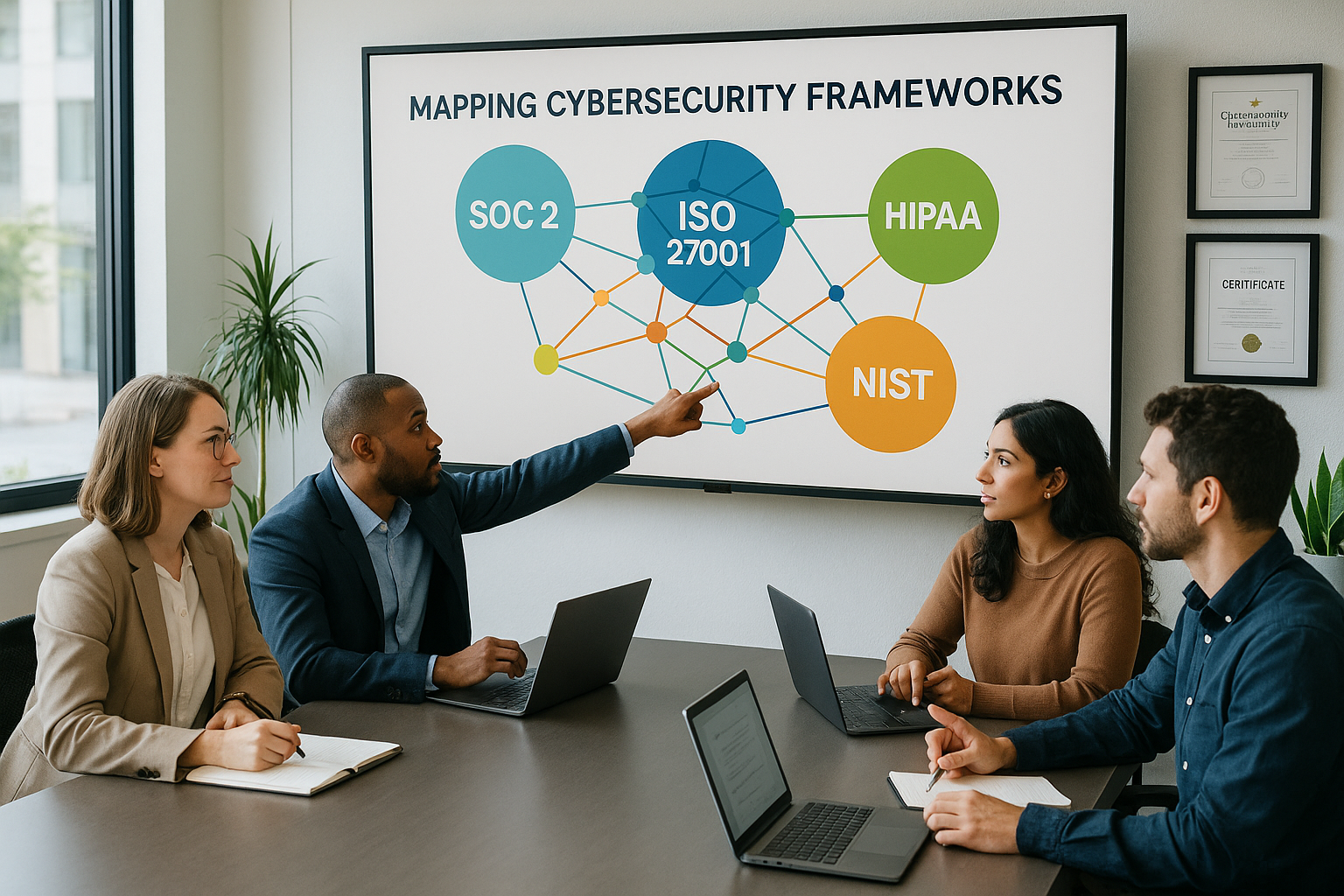
This shift is particularly relevant for organizations managing multiple frameworks such as ISO 27001, SOC 2, CIS Controls, and NIST simultaneously.
What Businesses Should Do Next
For organizations already using NIST CSF 1.1, the transition does not require a complete redesign of existing programs.
The priority should be reviewing governance structures, leadership accountability, risk management processes, and third party risk programs.
Many organizations will discover that technical controls are already in place, while governance and risk oversight require additional maturity.
How Quantarra Supports NIST CSF 2.0
Quantarra helps organizations operationalize NIST CSF 2.0 through continuous compliance, automated evidence collection, and integrated risk monitoring.
By mapping controls across multiple frameworks, automating evidence verification, and providing real time visibility into compliance posture, Quantarra enables organizations to strengthen governance while reducing manual compliance effort.
This helps businesses align with the broader risk management principles introduced in NIST CSF 2.0.
Build a Future Ready Cybersecurity Program
NIST CSF 2.0 reflects a larger shift happening across the compliance landscape. Cybersecurity is becoming a board level responsibility that requires continuous oversight, not annual reviews.
Visit quantarra.io to learn how your organization can build a scalable compliance and risk management program aligned with modern cybersecurity expectations.