Real-Time Compliance Monitoring: Turning Reactive Audits Into Proactive Assurance
For too long, compliance has been viewed as a necessary evil—a seasonal scramble of gathering data, checking boxes, and hoping to pass the annual audit. This reactive approach, characterized by frantic, manual effort, is no longer sustainable in a world defined by continuous, rapid change and ever-evolving regulations. The future of governance, risk, and compliance (GRC) lies in transforming this backward-looking process into continuous compliance monitoring and proactive assurance.
This shift is not merely an upgrade; it's a fundamental change in mindset, moving compliance from a cost center to a strategic asset. Organizations today must comply with a complex web of standards—from SOC 2 compliance and ISO 27001 to HIPAA and GDPR. Relying on manual, annual checks leaves businesses exposed to non-compliance risks, costly penalties, and reputational damage for 364 days a year. Solutions like Quantarra are leading the way in making this transition seamless, fast, and autonomous.
The Critical Flaw of the Reactive Audit Model
A traditional, reactive audit is a static snapshot in a dynamic system. By the time an auditor arrives, any compliance gaps or security vulnerabilities that emerged months prior have had ample time to escalate into serious issues. This "audit scramble" drains internal resources, causes immense stress, and often leads to last-minute fixes rather than genuine, sustained risk management.
Reactive methods simply cannot keep pace with the modern digital environment, characterized by:
- Rapid Change: Cloud environments, DevOps pipelines, and digital processes change on a weekly, sometimes daily, basis.
- Regulatory Flux: New and updated regulations—from data privacy laws to industry-specific mandates like PCI DSS—are constant.
- Growing Attack Surface: Increased adoption of cloud services and remote work expands the security perimeter, requiring constant vigilance.
The Power of Continuous Compliance Monitoring
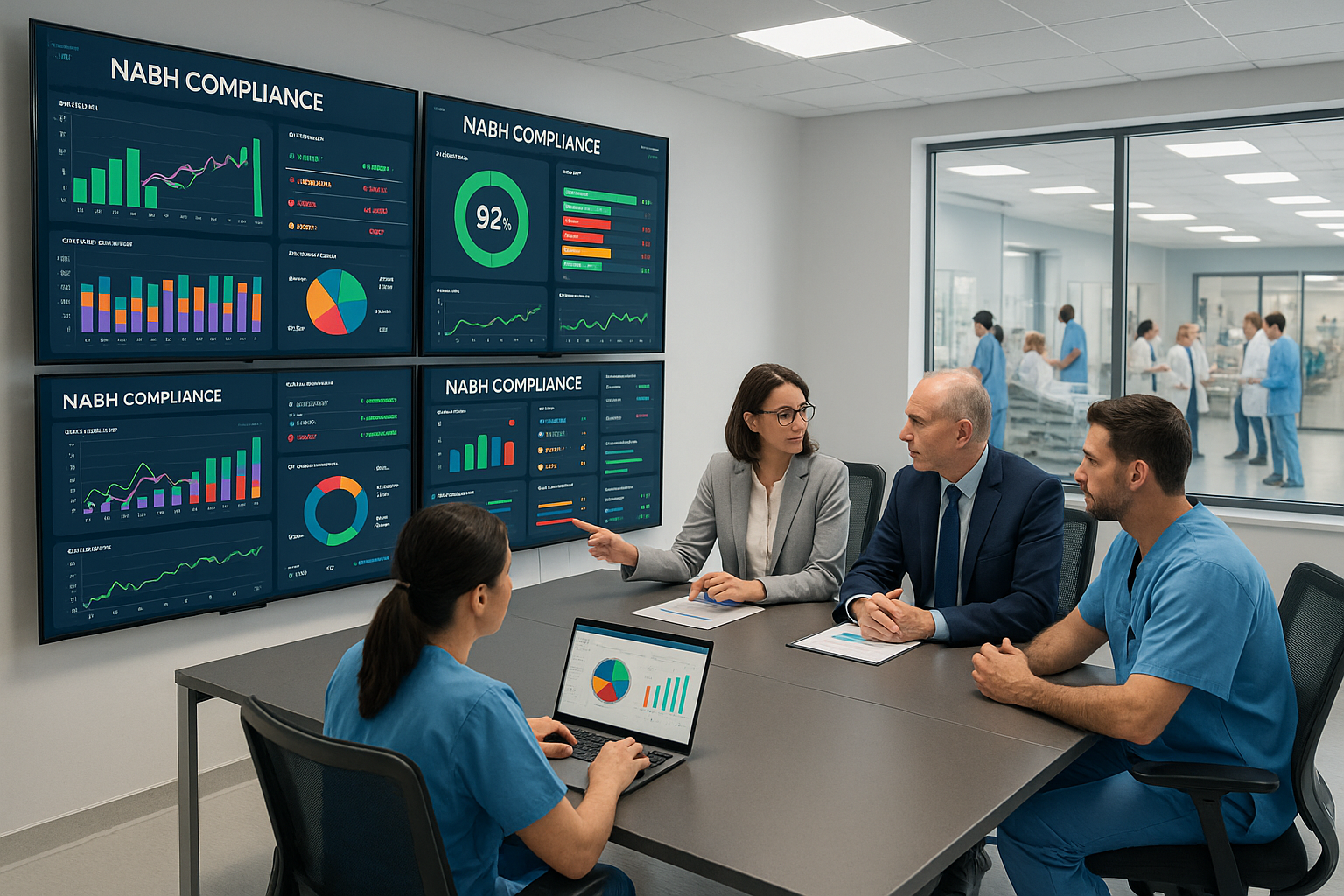
Continuous compliance monitoring is the practice of constantly observing and validating an organization's systems, policies, and processes against all required regulatory and internal standards, 24/7. This ongoing oversight transforms the compliance function, embedding it into daily operations rather than relegating it to an annual event.
This process is fueled by AI compliance automation, which uses sophisticated technology to eliminate the need for manual, error-prone data collection. Instead of gathering screenshots and spreadsheets in a panic, the evidence is automatically collected, categorized, and made audit-ready in real time.
- Real-Time Anomaly Detection: AI algorithms continuously scan for deviations from control requirements—like a system configuration drift or an unauthorized access attempt—and flag them instantly.
- Automated Evidence Collection: Seamless integrations with over 350+ business and security tools auto-collect data (logs, configurations, approvals) and map them directly to specific controls across multiple frameworks.
- Predictive Risk Prevention: Leveraging machine learning, the system analyzes historical data and behavioral patterns to predict where a non-compliance risk is likely to emerge, allowing for preventative action.
Transforming Audits into Proactive Assurance
The true value of real-time compliance automation is the ability to shift from a painful audit process to an effortless assurance model. By keeping your security and compliance posture consistently high, the external audit becomes a simple validation of an already well-maintained system, not a stressful discovery process.
The traditional reactive audit is a mere annual or quarterly snapshot, relying on manual, stressful evidence gathering. In contrast, continuous compliance monitoring offers 24/7 real-time visibility, leveraging automated, AI-driven compliance automation. This dramatically reduces the high risk of undetected, long-term violations, enabling immediate detection and remediation of gaps.
For instance, managing multiple frameworks like SOC 2 compliance and HIPAA traditionally means duplicating effort. Modern platforms use framework cross-mapping to apply a single piece of evidence to every relevant control across all your required standards, massively reducing manual effort. This centralized, intelligent approach is what enables organizations to achieve their compliance goals faster.
The Future of GRC: Beyond the Checklist
Organizations in healthcare, telecom, finance, and SaaS are adopting this approach because it delivers tangible business outcomes:
- Accelerated Growth: Achieving certification for standards like ISO 27001 or SOC 2 faster opens doors to new enterprise clients and global markets.
- Significant Cost Reduction: Reducing manual labor by up to 80% frees up high-value security and engineering teams to focus on core business innovation.
- Enhanced Trust: Maintaining an always-on, verifiable compliance posture builds confidence with customers, partners, and regulators, strengthening your reputation in a competitive market.
The move to continuous compliance monitoring is inevitable. It is the only way to effectively manage the scale, speed, and complexity of modern business while turning compliance into a powerful driver for organizational efficiency and security. By choosing to embrace AI-driven compliance automation, you are choosing proactive assurance over reactive risk.
Ready to Automate Your Compliance?
Stop waiting for the next audit to reveal a problem. With Quantarra's centralized compliance hub, you can automate evidence collection, manage multiple frameworks (like GDPR compliance platform, HIPAA, and SOC 2), and gain real-time compliance automation visibility 24/7. Transform your compliance from a drain on resources into a strategic advantage that fosters continuous security and compliance.
Get started today and see how easy, fast, and autonomous compliance can be. To learn more about our team and vision, please visit our About us page.