How to Map SOC 2, ISO 27001, PCI DSS, and NIST Controls in One Platform
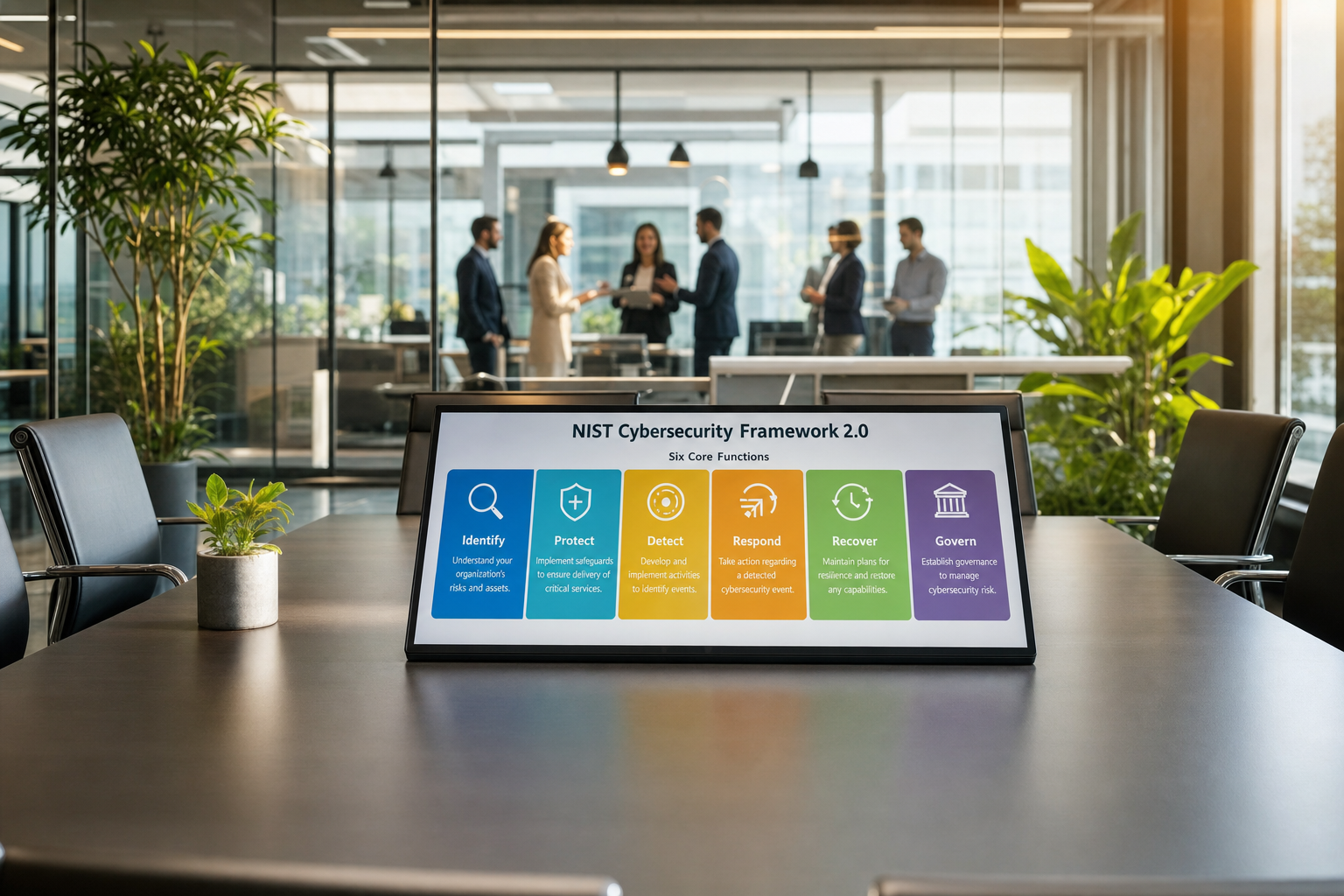
Organizations rarely operate under a single compliance framework today. A growing SaaS company may need SOC 2 for customer trust, ISO 27001 for international business, PCI DSS for payment security, and NIST Cybersecurity Framework (CSF) for cybersecurity governance.
The problem is that many teams manage each framework separately. This creates duplicate controls, repeated evidence collection, and unnecessary audit effort.
The reality is that these frameworks share significant overlap. A well-designed compliance program can map controls once and satisfy multiple requirements simultaneously.
Organizations looking to streamline multi-framework compliance can explore modern approaches at quantarra.
Why Framework Overlap Matters
Although the language differs between frameworks, many security requirements address the same underlying risks.
Access management, incident response, vulnerability management, risk assessment, logging, and employee training appear across SOC 2, ISO 27001, PCI DSS, and NIST CSF.
For example, a user access review process may support requirements in all four frameworks. Without control mapping, teams often collect the same evidence multiple times for different audits.
This approach increases workload without improving security.
The Traditional Approach Creates Compliance Silos
Many organizations start their compliance journey one framework at a time. Over time, separate spreadsheets, policies, evidence repositories, and audit processes emerge.
Common challenges include:
- Duplicate controls across frameworks
- Multiple evidence requests for the same activity
- Inconsistent ownership of compliance tasks
- Limited visibility into overall compliance posture
As organizations add new regulations and standards, these silos become increasingly difficult to manage.
Building a Unified Control Framework
The most effective organizations manage controls instead of frameworks.
Rather than creating separate programs for SOC 2, ISO 27001, PCI DSS, and NIST, they establish a common set of controls and map each control to applicable requirements.
For example, a vulnerability management process may support ISO 27001 Annex A controls, NIST CSF outcomes, SOC 2 Trust Services Criteria, and PCI DSS requirements simultaneously.
This approach reduces duplication while maintaining audit readiness.
Why Automation Becomes Essential
Control mapping can be managed manually when organizations have a small number of controls. As compliance requirements grow, manual management becomes difficult.
Modern compliance platforms automate framework mapping, evidence collection, and control monitoring. Instead of tracking compliance across multiple spreadsheets, organizations gain a single source of truth.
This allows compliance, security, IT, and audit teams to collaborate more effectively while reducing administrative effort.
How Quantarra Supports Multi-Framework Compliance
Quantarra's Business Compliance Platform enables organizations to manage multiple frameworks through a unified control architecture.
Organizations can map controls across SOC 2, ISO 27001, PCI DSS, NIST CSF, and custom frameworks while automating evidence collection through 300+ integrations. Real-time dashboards provide visibility into compliance status, risks, and remediation activities.
This helps teams scale compliance programs without scaling manual work.
Simplify Compliance as Frameworks Grow
The future of compliance is not managing more frameworks. It is managing controls more efficiently.
Organizations that centralize control mapping, automate evidence collection, and maintain continuous compliance can reduce audit effort while improving visibility and governance.
Visit quantarra to learn how a unified compliance platform can simplify multi-framework compliance management.